
 Best seller20% off
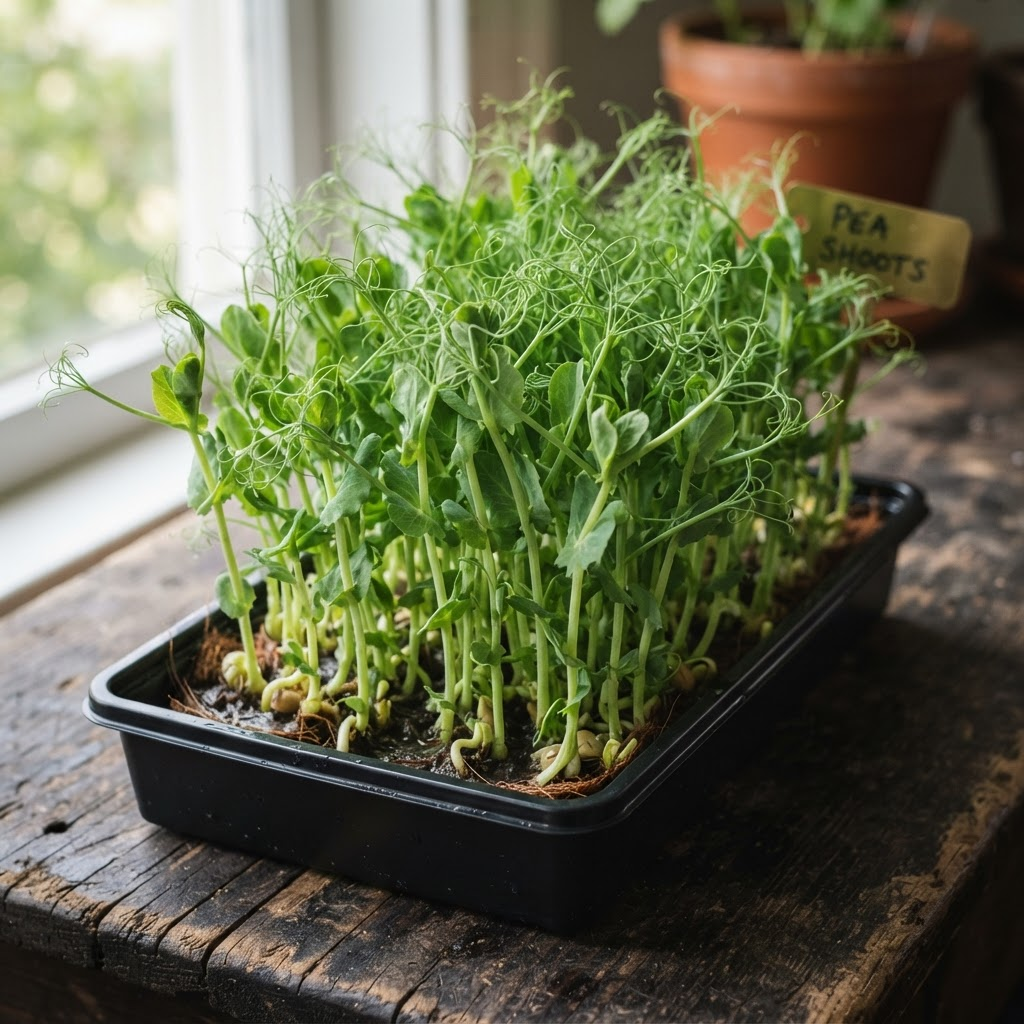
Pea Shoots
Sweet · Crisp · Fresh
$6.40 $8.00 / 4 oz

Living, vibrant microgreens grown in our small local town of Arcola and shipped fresh to you. Harvested at their peak, so every bite does more.
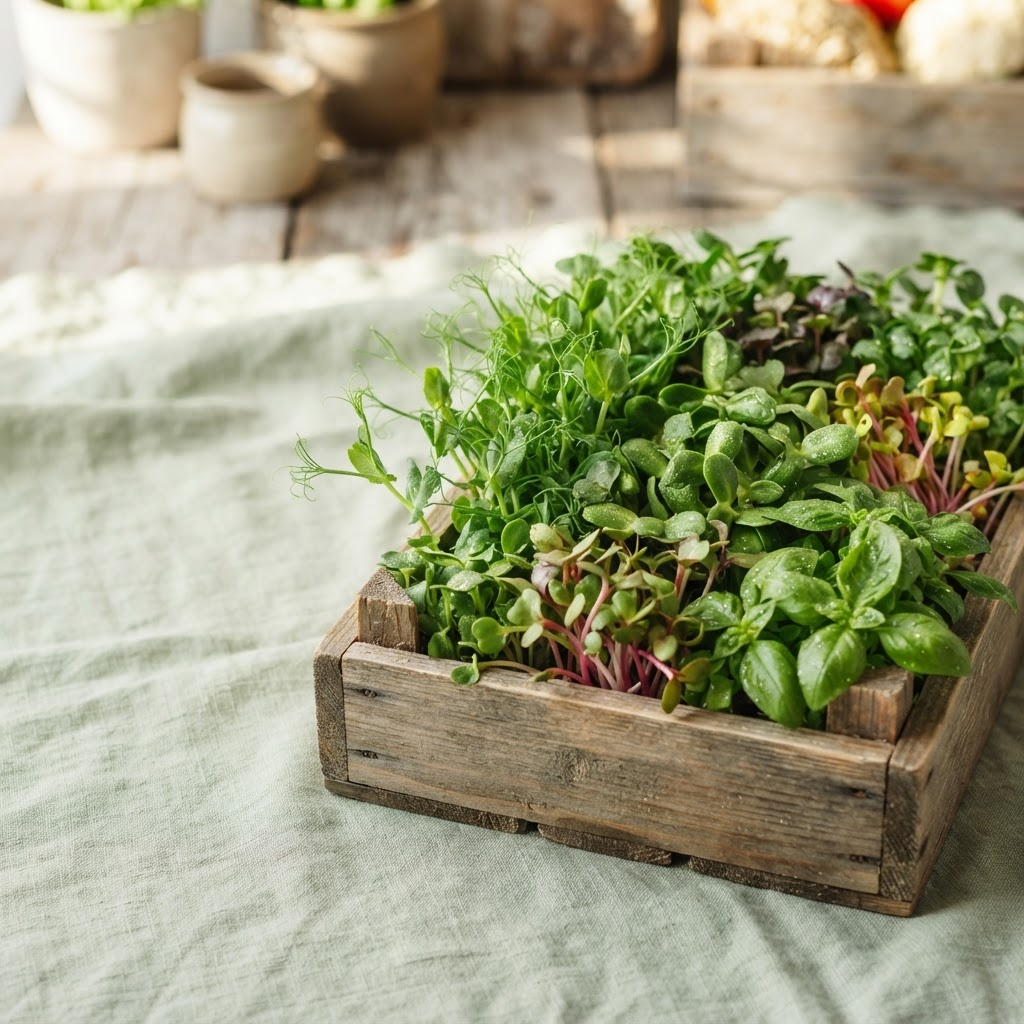 Best seller20% off
Sweet · Crisp · Fresh
$6.40 $8.00 / 4 oz
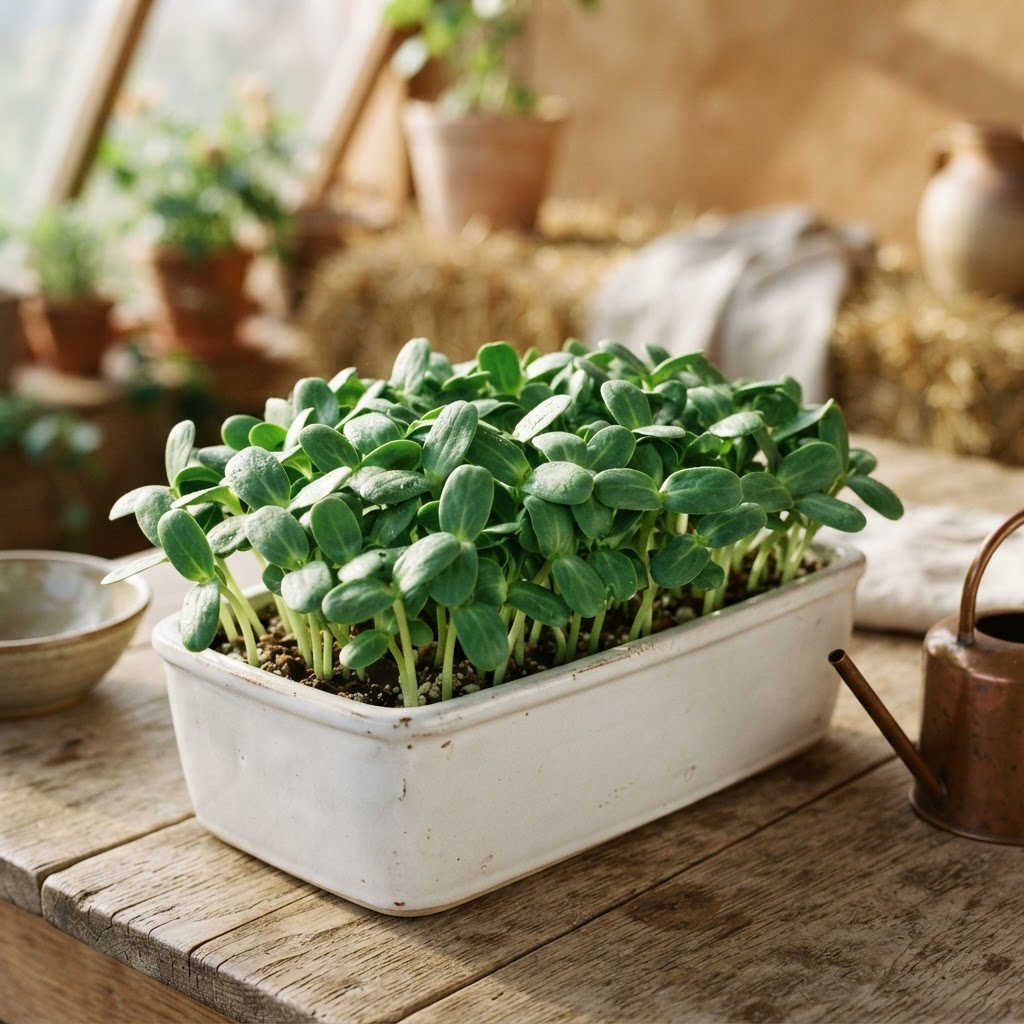 New harvest20% off
Nutty · Tender · Bright
$7.20 $9.00 / 4 oz
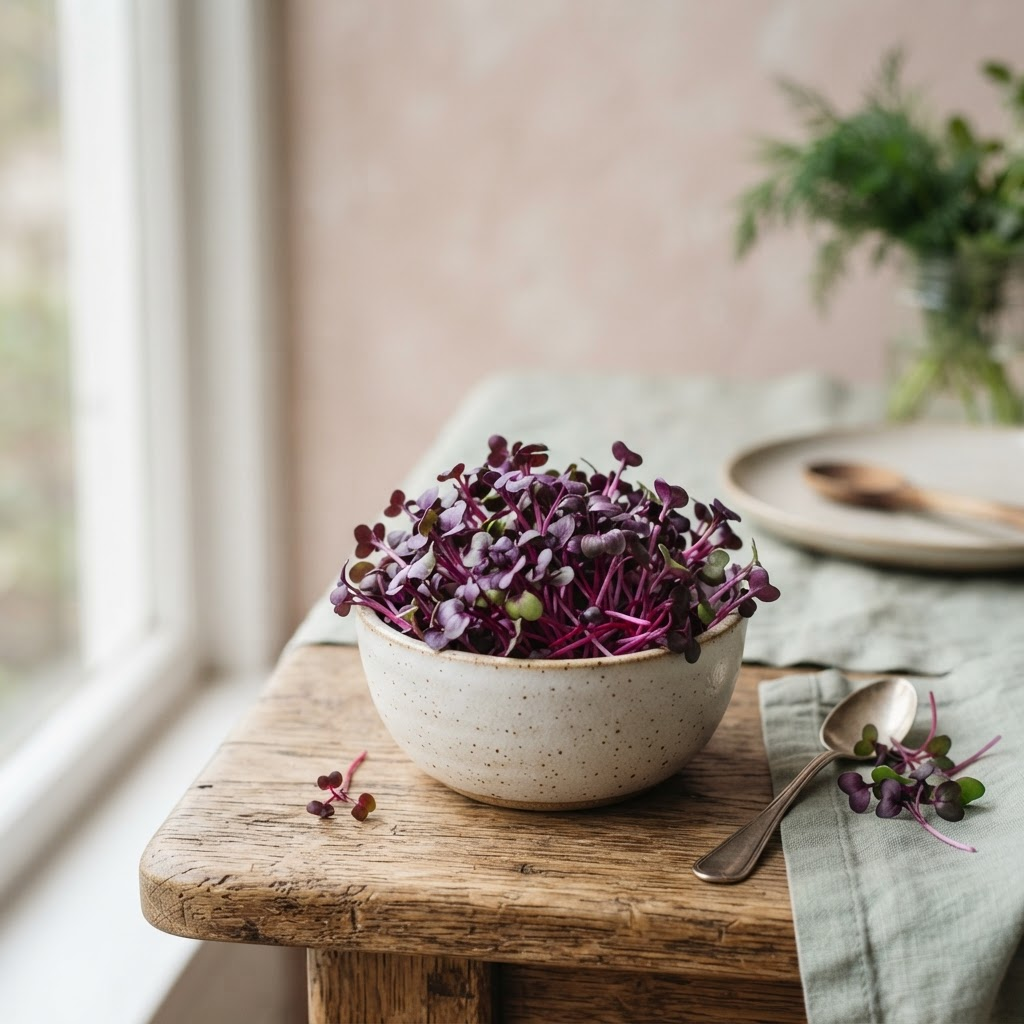 Chef favorite15% off
Peppery · Vibrant · Bold
$6.80 $8.00 / 3 oz
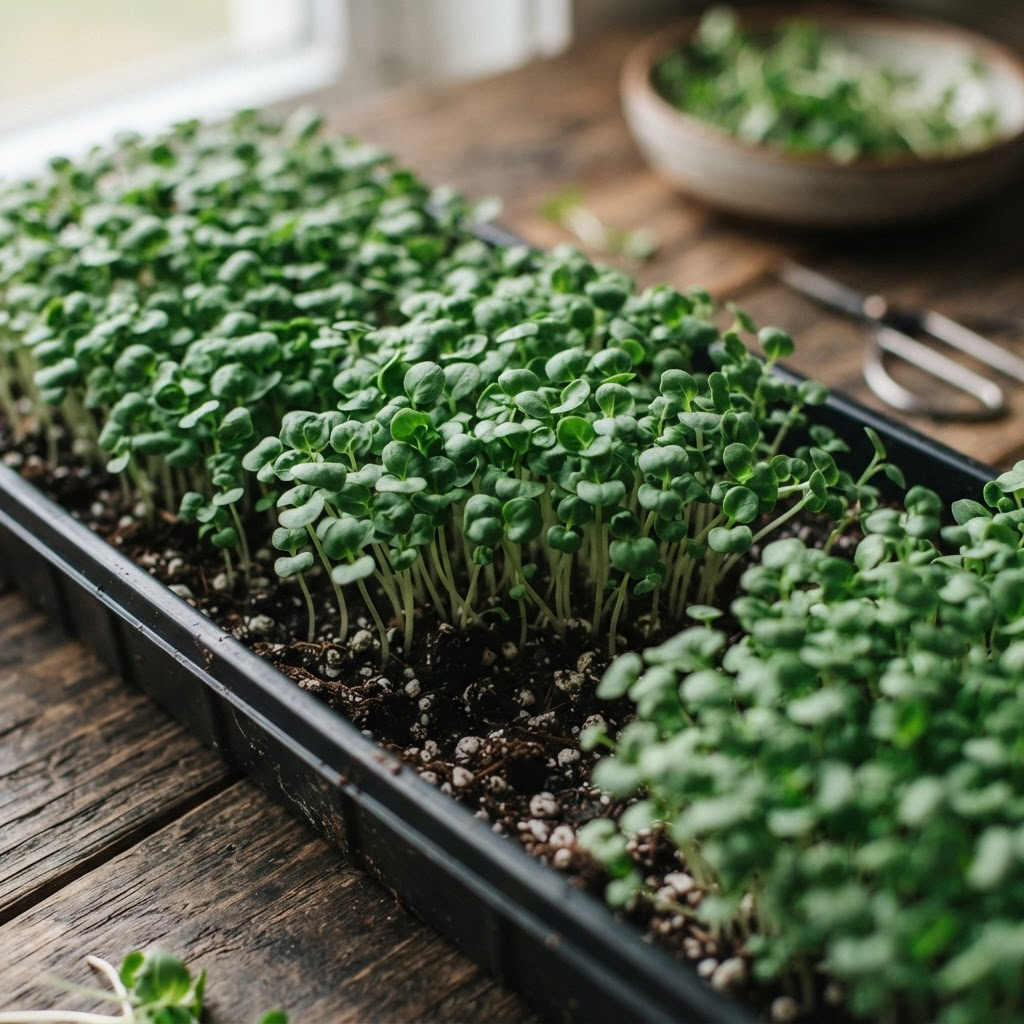 Limited15% off
Aromatic · Soft · Floral
$8.50 $10.00 / 2 oz
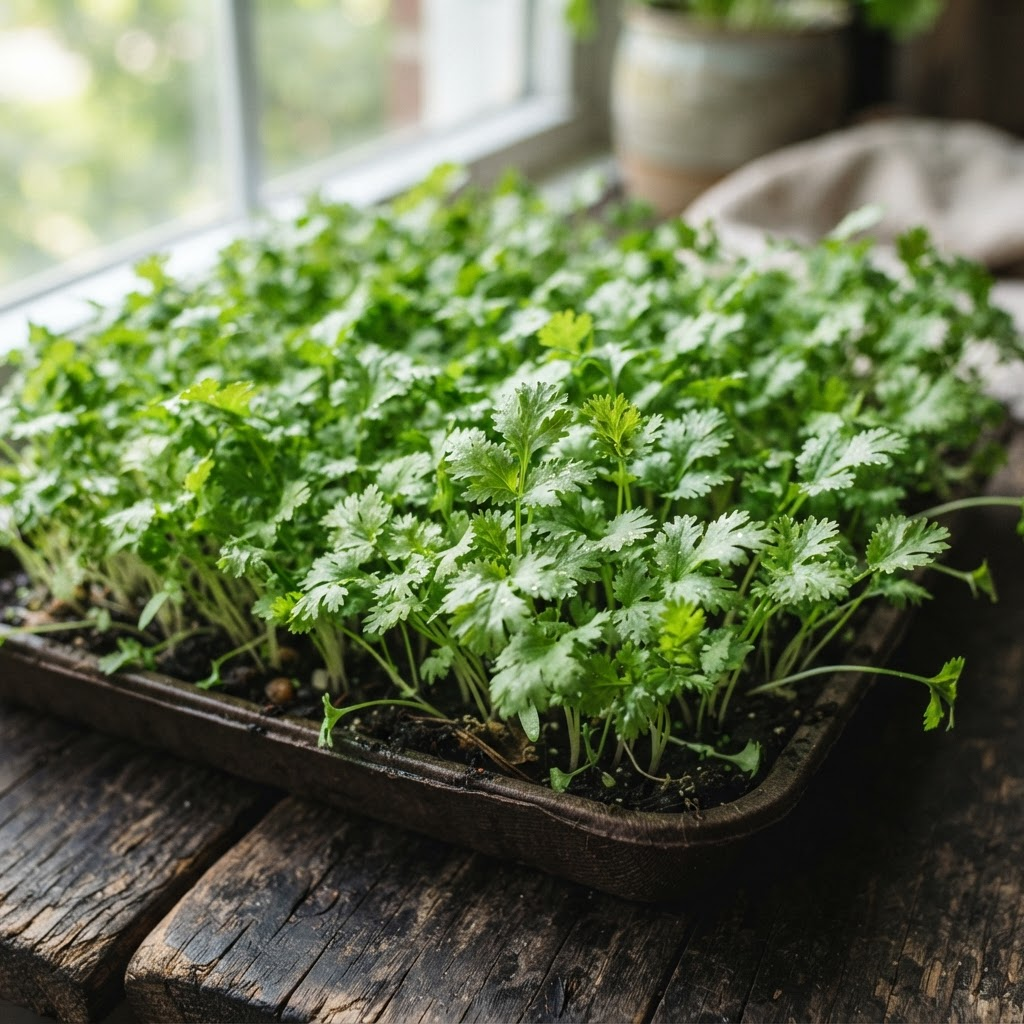 New15% off
Citrusy · Lacy · Fresh
$7.65 $9.00 / 2 oz
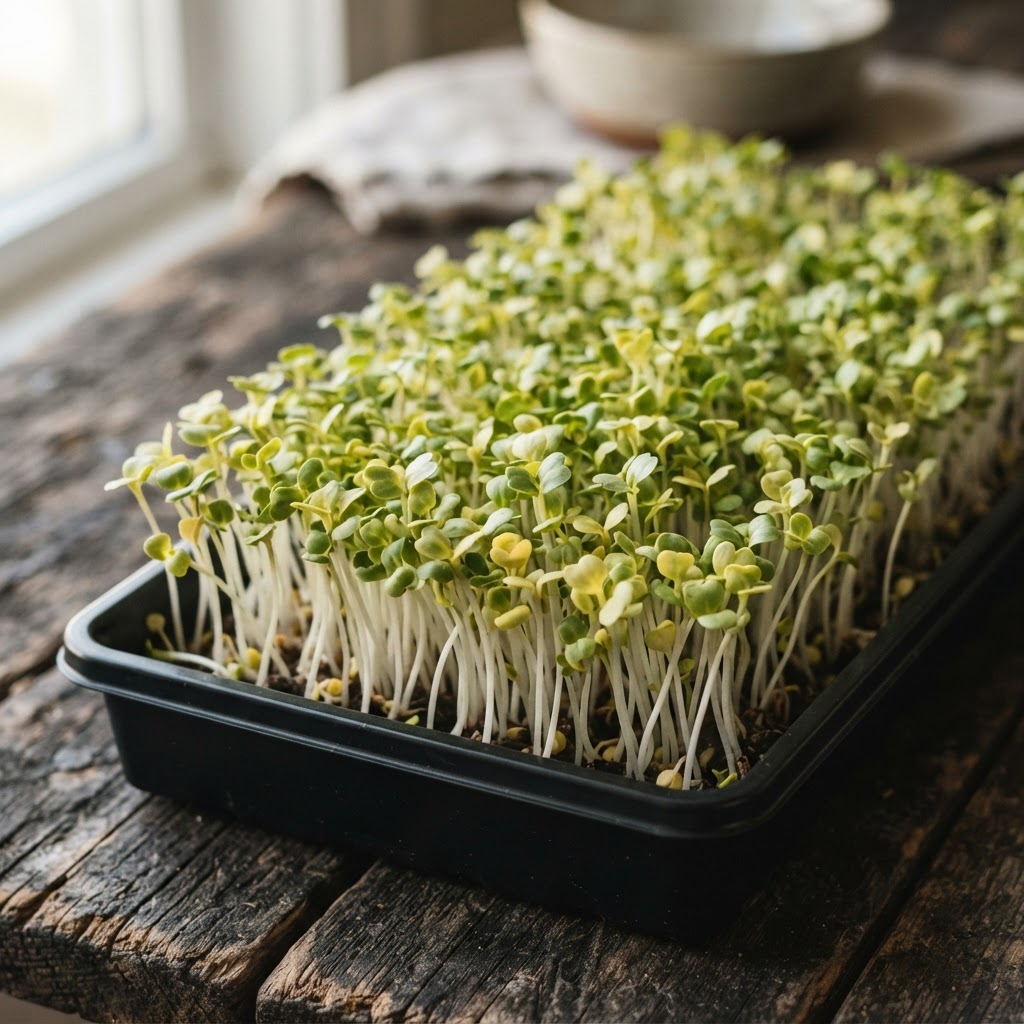 Everyday pick15% off
Earthy · Clean · Powerful
$6.80 $8.00 / 3 oz
Microgreens are vegetables harvested 7 to 21 days after germination, just as the first true leaves appear. At that moment the plant is spending every reserve in the seed on new growth — which is exactly why a small handful can carry far more nutrition than the same vegetable picked weeks later.
They are not sprouts. Sprouts are germinated seeds eaten root and all, usually in water. Microgreens are grown in a clean medium under light and cut above the soil line, so they develop real leaves, real colour, and a much deeper flavour.
Microgreens are harvested at the cotyledon stage, when the seed has pushed everything it has into those first leaves. Researchers have measured several times the vitamin and antioxidant density of the same plant grown to maturity — in some varieties up to forty times, gram for gram.
Broccoli, red cabbage, and kohlrabi microgreens are among the richest known food sources of glucoraphanin, the precursor to sulforaphane, which supports the body’s own antioxidant and detoxification pathways.
Early human and animal studies link regular microgreen intake to improved LDL cholesterol, lower triglycerides, and steadier post-meal blood sugar — largely thanks to polyphenols and fibre in a very low-calorie package.
A single handful contributes meaningfully to vitamin K for bone and blood health, vitamin C for immunity and collagen, vitamin E for cell protection, and folate — the nutrients most of us quietly run short on all winter.
Sunflower, pea, and amaranth shoots carry lutein, zeaxanthin, and beta-carotene: the carotenoids that concentrate in the retina and skin and help buffer blue light and UV stress.
Young greens have softer cell walls and far less of the tough fibre found in mature brassicas, so people who find kale or cabbage hard on the gut usually tolerate microgreens comfortably.
The pigments that make radish stems red and amaranth magenta are anthocyanins — the same class of polyphenol studied in berries for calming chronic low-grade inflammation.
Because we cut to order the morning your box goes out, the greens arrive still respiring. Kept dry and cold they hold texture and flavour for a week or more instead of wilting in transit.
Nutritional information is general and shared for interest only — it is not medical advice. Check with your healthcare provider about your own diet, especially if you take blood thinners, since leafy greens are high in vitamin K.